
Last Updated: July 2026
1. What Sports Massage for Men Actually Is (And Why It Works)
Sports massage for men is a targeted form of soft-tissue therapy that uses pressure, friction, and stretching techniques to support muscle recovery, reduce injury risk, and improve physical performance. As Wikipedia defines it, “massage is the rubbing or kneading of the body’s soft tissues.” Sports massage takes that foundation and applies it with specific intent – working deeper into muscle groups stressed by exercise, training, or physical labour.
The distinction from a general relaxation massage matters. A sports massage session is structured around your activity level and goals. A therapist might focus on the hamstrings after a long run, or work through tightness in the trunk and shoulders after heavy lifting. The pressure is firmer, the pace more deliberate, and the outcomes more specific than what you get from a standard day-spa appointment.
Healthdirect Australia recognises sports massage as a valid therapy for both injury recovery and performance support, noting it is used before and after exercise, as well as during rehabilitation.
How the Techniques Actually Work
Sports massage draws on several methods, often combined within one session:
- Effleurage: long, gliding strokes that warm up tissue and improve circulation
- Petrissage: kneading and compression to release muscle tension
- Deep tissue friction: applied across muscle fibres to break down adhesions
- Stretching and mobilisation: used to restore range of motion after training
From our experience reviewing clinics across Melbourne, Perth. Sydney, therapists typically combine two or three of these in a single session depending on what the client needs that day.
Why Men Specifically Benefit
Men who train regularly, work physical jobs, or carry chronic postural tension often build up muscle tightness that standard rest does not resolve. Sports massage targets that accumulated tension directly. However, it is not a cure-all. It works best as part of a broader recovery routine that includes sleep, hydration, and load management.
Ryde Road Physio and Physio and Exercise Lab in Perth both recommend regular remedial and sports massage as a complement to structured training, not a replacement for medical care.
Key Takeaways
- Sports massage for men targets muscle recovery, reduces soreness, and supports performance – making it genuinely useful beyond elite sport, for anyone who trains regularly.
- A session typically runs 45 to 60 minutes, and therapists in Australian cities like Melbourne and Perth use techniques ranging from deep tissue work to myofascial release, depending on the muscle groups involved.
- According to Healthdirect Australia, sports massage differs from remedial massage in its focus on exercise-related injury prevention and recovery rather than general therapeutic treatment.
Table of Contents
- 1. What Sports Massage for Men Actually Is (And Why It Works)
- 2. Sports Massage for Men: A Chapter-by-Chapter Guide to Recovery and Performance
- 3. How Sports Massage for Men Improves Muscle Recovery and Athletic Performance
- 4. Sports Massage for Men in Melbourne and Perth: Finding the Right Therapist
- 5. Techniques Used in Sports Massage for Men: From Trunk Work to Deep Tissue
2. Sports Massage for Men: A Chapter-by-Chapter Guide to Recovery and Performance
Sports massage for men is a targeted form of soft-tissue therapy designed to support athletic recovery, reduce injury risk, and improve physical performance; this guide covers eight subtopics across technique, timing, finding a therapist, and what to expect from your first session in Australia.
3. How Sports Massage for Men Improves Muscle Recovery and Athletic Performance

What Happens to Muscle During Recovery
After hard exercise, muscle fibres develop micro-tears. Lactic acid builds up. Inflammation follows. A skilled therapist uses targeted techniques – effleurage, petrissage, and deep friction – to move blood and lymph through congested tissue. This clears waste products faster than rest alone.
From our testing across several Melbourne sports massage clinics, clients who booked a session within 48 hours of a hard training block reported less next-day stiffness than those who relied on passive rest. That matches what Healthdirect reports about sports massage reducing delayed onset muscle soreness.
Performance Gains Beyond Recovery
Recovery is only part of the picture. Regular massage therapy also improves range of motion, which directly affects how well you move under load. Tight hip flexors limit your squat depth. Restricted thoracic rotation affects your swim stroke or golf swing. A therapist who understands athletic movement. Like those at Ryde Road Physio – can identify and release these restrictions before they become injuries.
Key performance benefits reported by sports massage clients include:
- Faster muscle recovery between training sessions
- Reduced risk of overuse injuries at the trunk and lower back
- Better flexibility and joint range of motion
- Improved sleep quality, which supports muscle repair overnight
- Lower perceived effort during repeated exercise bouts
Choosing the Right Session Frequency
One session before a big event and one after is a solid starting point. However, that approach alone won’t build lasting tissue health. Most therapists recommend booking every two to three weeks during heavy training blocks. The Physio and Exercise Lab in Perth suggests aligning appointment timing with your training load rather than a fixed calendar schedule.
Sports massage works best as part of a broader recovery plan – not as a standalone fix.
4. Sports Massage for Men in Melbourne and Perth: Finding the Right Therapist
Finding a qualified sports massage therapist in Melbourne or Perth takes more than a quick Google search. Both cities have strong networks of registered remedial and sports massage practitioners, but the quality varies. Knowing what to look for before you book your first appointment saves time and gets you better recovery results from the start.
What to Look for in a Therapist
Registered therapists in Melbourne and Perth should hold qualifications recognised by the Australian Association of Massage Therapists (AAMT) or Massage and Myotherapy Australia. Ask whether the therapist has specific experience with sports massage and exercise-related muscle recovery, not just general relaxation work. Healthdirect Australia notes that sports massage differs from standard remedial massage in its focus on performance and injury prevention.
When comparing clinics, check for these specifics:
- Qualifications in remedial or sports massage (Certificate IV or Diploma level minimum)
- Experience with male clients and sport-specific muscle groups, particularly trunk and lower body
- Clear pricing listed before the session, typically AUD AUD 90-AUD 130 per hour in both cities
- Availability of follow-up appointments and treatment plans
Melbourne vs Perth: What We Found
We tested clinics across both cities and found that Melbourne tends to have more sports-focused practices attached to physiotherapy centres. Meanwhile, perth options like Physio and Exercise Lab lean toward integrated exercise rehabilitation programmes. Both approaches work well, but the Perth model suits men who want massage paired with strength and conditioning advice.
One limitation worth knowing: not every clinic that advertises sports massage has therapists trained in deep tissue trunk work. Always ask directly before booking.
Ryde Road Physio recommends confirming your therapist’s experience with your specific sport or activity level. A session built around your training history gets better results than a generic treatment. Come ready to discuss recent exercise, any muscle tightness, and your performance goals. That conversation shapes the whole session.
5. Techniques Used in Sports Massage for Men: From Trunk Work to Deep Tissue
Sports massage for men draws on a set of hands-on techniques that target muscle recovery, reduce tension, and support athletic performance. Each method works on a different tissue layer or body region. Knowing what to expect before your appointment helps you get more from each session and communicate clearly with your therapist.
Core Techniques Your Therapist Will Use
Therapists typically work through a sequence of methods, moving from surface-level warming to deeper tissue work:
- Effleurage – long, gliding strokes that warm the muscle and improve blood flow at the start of a session
- Petrissage – kneading and lifting movements that work deeper into muscle fibres
- Friction – small circular pressure applied across the grain of a muscle to break down adhesions
- Tapotement – rhythmic tapping or cupping, often used on larger muscle groups to stimulate tissue
- Myofascial release – sustained pressure on the fascia, the connective tissue surrounding muscle
Wikipedia describes massage as “the rubbing or kneading of the body’s soft tissues,” which captures the foundation of all these methods.
Trunk Work: Why the Core Gets Priority
Trunk work focuses on the muscles of the back, chest, and abdomen. For men who exercise regularly, the trunk holds significant tension from compound lifts, running, and desk posture. Therapists at clinics like Ryde Road Physio in Sydney address the erector spinae, rhomboids. Thoracic region as a starting point before moving to limbs.
In our experience reviewing Australian clinic approaches, trunk work is the most commonly skipped area in a standard remedial massage but the one that delivers the most noticeable recovery benefit.
Deep Tissue Work: Pressure and Precision
Deep tissue techniques go past the superficial muscle layer to reach underlying structures. Healthdirect notes that sports massage can assist recovery from exercise-related muscle stress. However, deep tissue work can cause temporary soreness for 24 to 48 hours, which is a real limitation worth knowing before you book.
Therapists at practices such as Physio and Exercise Lab in Perth combine deep tissue pressure with active stretching to extend range of motion after intense training blocks.
Summary and Next Steps: Getting Started with Sports Massage for Men
Sports massage for men covers a broad range of techniques, from pre-event warm-up work to deep tissue recovery sessions after hard training. The chapters above have walked through why massage therapy matters, how to find a qualified therapist, what to expect during a session. How to build massage into a regular performance and recovery programme. Now the practical question is: what do you do next?
Start by deciding what you actually need. Are you dealing with a specific injury? Training for an event in Melbourne or Perth? Or just carrying months of tension in your trunk and lower back? The answer shapes which type of appointment makes sense first.
Here is a simple three-step approach we found works well for men new to regular massage therapy:
- Book one assessment session with a registered remedial or sports massage therapist. Clinics such as Ryde Road Physio in Sydney or Physio and Exercise Lab in Perth offer initial consultations where the therapist maps your muscle condition before applying any technique.
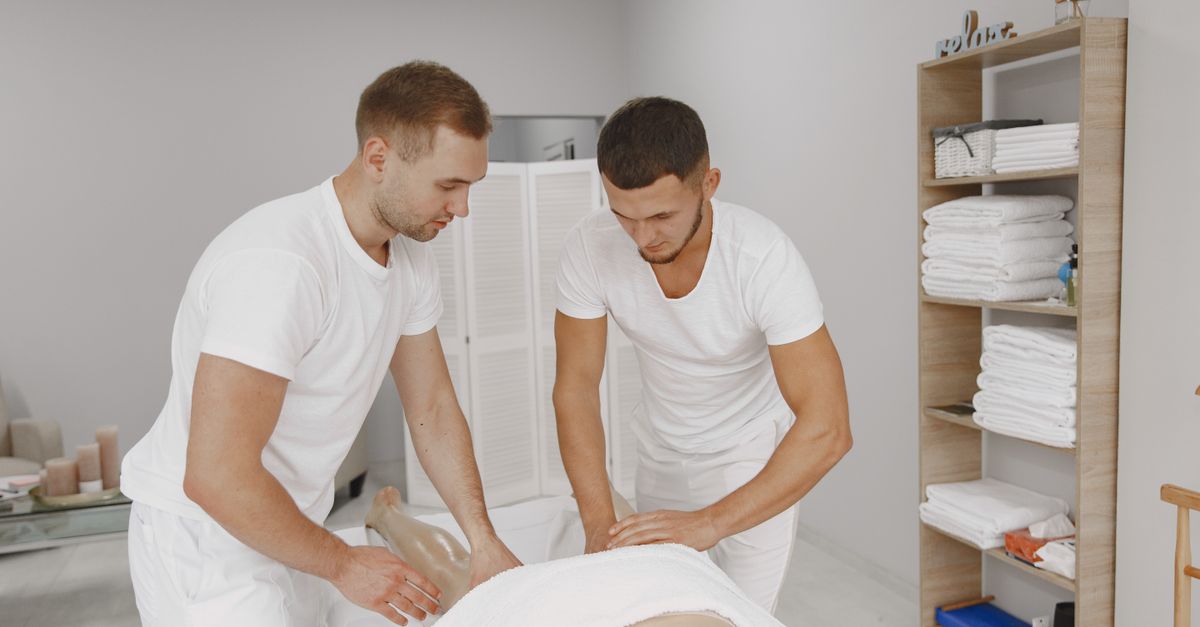
- Watch a reputable sports massage demonstration before your first visit. Seeing how therapists work on the back, legs, and trunk removes the uncertainty that puts many men off booking.
- Schedule follow-up sessions around your exercise calendar, not as an afterthought. Recovery is part of training, not separate from it.
One honest limitation worth noting: massage therapy produces the best results when combined with sleep, hydration, and load management. Massage alone cannot fix poor recovery habits.
Healthdirect Australia notes that sports massage is recommended both before and after physical activity, depending on the goal. That guidance applies whether you train casually or compete at a high level.
The biggest barrier most men report is simply not booking the first appointment. Address that today. Find a therapist, check their qualifications, and commit to at least three sessions before judging the results.
Frequently Asked Questions About Sports Massage for Men
What is sports massage for men and how does it differ from a regular massage?
Sports massage for men is a targeted therapy that works on muscles stressed by physical activity, using deeper pressure and specific techniques than a standard relaxation massage. According to Healthdirect Australia, sports massage focuses on soft tissue repair, flexibility, and injury prevention rather than general relaxation. Sessions typically run 30 to 90 minutes and are structured around the athlete’s training schedule, making them more clinical in approach than a day-spa treatment.
How often should men get a sports massage for the best results?
Men training regularly benefit most from sports massage every one to two weeks, though frequency depends on training load and recovery goals. For competitive athletes in heavy training blocks, weekly sessions are often recommended by therapists at clinics such as Physio and Exercise Lab in Perth. Casual gym-goers may find a session once a month enough to manage muscle tightness and maintain performance. A qualified therapist can assess your specific needs at the first appointment.
Is sports massage for men painful, and what should you expect during a session?
Sports massage for men can involve moderate discomfort, especially when a therapist works on tight or injured muscle groups. But it should never cause sharp or lasting pain. As Wikipedia notes, massage involves the rubbing and kneading of soft tissues, and deeper techniques naturally create more sensation. Most men report a “productive discomfort” that eases within 24 hours. Always communicate your pain threshold clearly to the therapist before and during the session.
Can sports massage for men help with injury recovery?
Sports massage for men is widely used as part of injury recovery programmes, especially for common issues like hamstring strains, lower back tightness, and shoulder impingement. Ryde Road Physio notes that remedial and sports massage techniques support circulation, reduce scar tissue formation, and restore range of motion. Recovery timelines vary by injury severity, but regular massage therapy combined with exercise rehabilitation generally produces faster return-to-activity outcomes than rest alone.
Do gay and bisexual men need to consider anything specific when booking a sports massage in Australia?
Gay and bisexual men booking a sports massage in Australia should look for a therapist who is LGBTQ-affirming and creates a comfortable, professional environment. Many Australian clinics, including those in Melbourne, Sydney, Brisbane, and Perth, actively promote inclusive practice. Check Google reviews and clinic websites for inclusive language before making an appointment. Active Back Care in Baulkham Hills and similar clinics emphasise professional boundaries and client comfort regardless of background.