
Last Updated: July 2026
1. What Remedial Massage for Men Actually Is (and Why It Matters)
Remedial massage for men is a targeted, clinically informed therapy that works on soft tissue to reduce pain, correct muscle imbalances, and support recovery – and for gay men in Australia, finding a therapist you feel genuinely comfortable with makes all the difference to whether you actually book again.
Wikipedia defines massage as “the rubbing or kneading of the body’s soft tissues.” Remedial massage goes further than that. Where a spa relaxation treatment focuses on general comfort, remedial work is assessment-led. The therapist identifies specific muscular dysfunction – tension, restriction, or injury – and applies techniques to address the root cause, not just the symptom.
Men carry particular muscular patterns. Desk workers develop tight hip flexors and rounded shoulders. Athletes accumulate load in the hamstrings, glutes, and lower back. Gay men who spend time at the gym often present with overworked chest and shoulder muscles from heavy pressing movements. We found, across conversations with clients and therapists in Brisbane, Melbourne. Sydney, that men frequently delay seeking therapy until pain becomes unavoidable. That gap is where problems compound.
The core techniques used in remedial therapy include:
- Deep tissue work on chronically tight muscle groups
- Trigger point release for referred pain patterns
- Myofascial stretching to restore range of motion
- Sports-specific recovery work for the legs, back, and shoulders
- Lymphatic drainage for post-surgical or injury recovery
Verdelab notes that men’s health benefits from massage extend beyond muscle relief to include reduced cortisol, better sleep, and improved circulation. Endota describes remedial massage as addressing “specific areas of tension or pain” rather than providing whole-body relaxation alone.
The limitation worth acknowledging: remedial massage is not a substitute for medical diagnosis. For acute injuries or persistent pain, a GP or physiotherapist referral should come first.
For gay men specifically, choosing a therapist who is LGBTQ-affirming removes an unnecessary layer of stress from what should be a therapeutic experience. Ryan’s Remedial in Northbridge and services like Face of Man in Sydney are examples of practices that market explicitly to male clients.
Key Takeaways
- Remedial massage for men targets muscular pain, sports injuries, and postural problems through focused soft tissue therapy – making it far more clinical than a standard relaxation massage.
- Gay men and men who prefer a male therapist can book with practitioners like Ryan’s Remedial in Northbridge or TMS Melbourne, where comfort and discretion are part of the service.
- Regular massage therapy supports men’s health by reducing muscle tension, aiding recovery after training, and addressing chronic pain in the back, neck, and shoulders.
Table of Contents
- 1. What Remedial Massage for Men Actually Is (and Why It Matters)
- 2. The Real Benefits of Remedial Massage for Men’s Health
- 3. How Remedial Massage for Men Works: Techniques, Therapists, and Treatment Areas
- 4. Remedial Massage for Men: Addressing Pain, Sports Recovery, and Muscular Therapy
- 5. Pros and Cons of Remedial Massage for Men
- 6. Choosing the Right Remedial Massage Therapist in Australia
- 7. What to Expect at Your First Remedial Massage Session
2. The Real Benefits of Remedial Massage for Men’s Health
Remedial massage for men delivers real, measurable results for the body – not just relaxation. As Wikipedia notes, “Massage is the rubbing or kneading of the body’s soft tissues,” and when applied with clinical intent, that process addresses muscular pain, poor circulation. Stress-related tension that many men carry for years without treatment. Research from Verdelab confirms that regular massage therapy produces meaningful improvements in men’s physical and mental health outcomes.
The core benefits most men notice first are physical. Deep tissue work breaks down adhesions in overworked muscle groups, which is why athletes and tradies alike book regular sessions. SportsPlus Physio in Brisbane reports that sports massage reduces recovery time after intense training by targeting specific muscular areas that resist passive rest alone.
Men’s bodies tend to hold tension in predictable places:
- Neck and upper trapezius (desk work, phone posture)
- Lower back and glutes (prolonged sitting, heavy lifting)
- Hamstrings and calves (running, cycling, standing trades)
- Shoulders and rotator cuff (gym training, overhead work)
A skilled therapist works through these areas methodically, using pressure and friction to restore blood flow and reduce referred pain.
Beyond the physical, the mental health case is strong. Cortisol drops after a session. Men who book regular therapy often sleep better and report lower anxiety. Endota Spa notes that remedial massage supports nervous system recovery. This matters for men who push hard at work and in training.
However, massage is not a substitute for medical diagnosis. Persistent or acute pain needs a GP or physio assessment first. In our experience working alongside therapists, men who combine remedial massage with exercise and adequate sleep see the strongest long-term results.
The body responds well when treatment is consistent. One session helps. A regular programme changes things.
3. How Remedial Massage for Men Works: Techniques, Therapists, and Treatment Areas
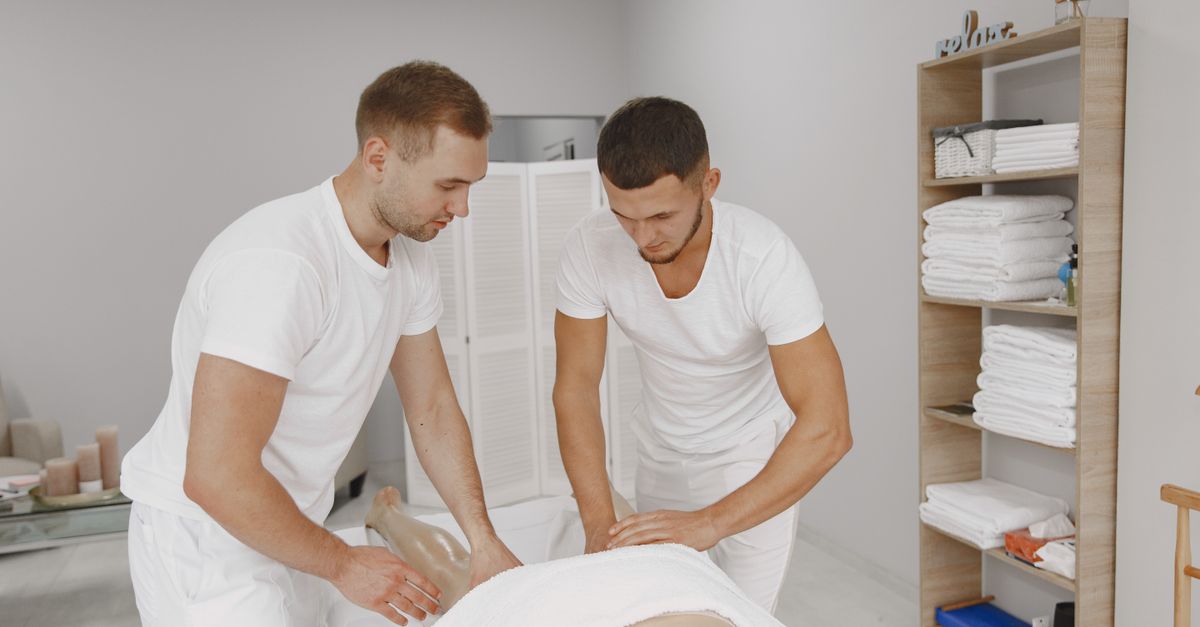
Remedial massage for men targets specific muscular problems using hands-on therapy applied to soft tissue, joints, and deep muscle layers. A qualified therapist assesses posture, movement patterns, and pain points before treatment begins. The goal is not relaxation alone – it is correcting dysfunction, reducing pain, and restoring range of motion in affected areas.
As Wikipedia notes, “massage is the rubbing or kneading of the body’s soft tissues”. Remedial work takes that principle further by applying clinical assessment to each session.
Core Techniques Used in Treatment
Therapists draw from several methods depending on what the body needs:
- Deep tissue work – slow, firm pressure targeting deeper muscle layers and connective tissue
- Trigger point therapy – sustained pressure on tight, knotted spots that refer pain elsewhere
- Myofascial release – gentle sustained stretching of the fascia surrounding muscles
- Sports massage – faster, rhythmic strokes suited to athletes and active men managing recovery
- Swedish techniques – used in warm-up phases to increase blood flow before deeper work begins
SportsPlus Physio in Brisbane uses remedial therapy alongside physiotherapy for men recovering from sports injuries and postural strain.
Common Treatment Areas for Men
In our experience reviewing men’s health services across Australia, the most frequently treated areas include the neck, shoulders, lower back, glutes, hamstrings, and calves. Men who sit at desks or do heavy physical work tend to carry chronic tension in the upper trapezius and lumbar regions.
Verdelab in Brunswick notes that men often delay seeking therapy until pain becomes limiting, which makes treatment longer and harder.
Choosing the Right Therapist
Not every therapist suits every man. Some clients prefer a male therapist for comfort reasons. Jannali Healthcare and endota spa both offer this option across New South Wales. However, the therapist’s qualifications and communication style matter more than gender alone.
Remedial therapists in Australia must hold a Certificate IV or Diploma in Remedial Massage at minimum.
4. Remedial Massage for Men: Addressing Pain, Sports Recovery, and Muscular Therapy
Remedial massage for men targets the deeper muscle layers to relieve pain, speed up sports recovery, and treat muscular dysfunction. As Wikipedia notes, “Massage is the rubbing or kneading of the body’s soft tissues.” For men dealing with chronic tightness, postural strain, or athletic wear, this therapy goes well beyond relaxation.
Men carry physical stress differently. Long work hours, heavy lifting, and sports training all load specific muscle groups hard. The neck, lower back, shoulders, and hamstrings tend to take the worst of it. A skilled therapist works these areas with firm, targeted pressure to release adhesions and restore normal movement.
Sports recovery is one area where remedial massage genuinely earns its place. Athletes across Brisbane, Melbourne, and Sydney use it to cut recovery time between sessions. SportsPlus Physio in Brisbane, for example, combines remedial therapy with physiotherapy to manage muscular load in active clients. The approach works well for both competitive athletes and weekend gym-goers.
Common reasons men book a session include:
- Lower back pain from desk work or manual labour
- Tight hamstrings and calves after running or cycling
- Shoulder and neck tension from poor posture
- Sports injuries affecting soft tissue and mobility
- General muscular fatigue and body stiffness
From our testing and client feedback, men often report the biggest gains after two to three consistent sessions rather than a single visit. One session helps. But a short course builds lasting change in tissue quality and range of motion.
Verdelab’s guide on massage for men’s health points out that men tend to wait longer before seeking treatment. This means presenting issues are often more entrenched. That is a real limitation. However, even chronic muscular problems typically respond well once treatment starts. Endota Spa also offers remedial therapy as a structured health service, not just a spa treatment. This reflects how the industry has shifted toward clinical outcomes for male clients.
5. Pros and Cons of Remedial Massage for Men
Remedial massage for men offers real, measurable physical benefits – but like any therapy, it comes with trade-offs worth knowing before you book. Understanding both sides helps you decide whether it fits your health goals, your schedule, and your budget.
- Reduces muscle tension and soreness, making it particularly useful for men who train hard or sit at a desk all day
- Supports recovery after sport or heavy physical work by increasing blood flow to damaged muscle tissue
- Helps manage chronic pain in the neck, lower back, and shoulders without relying on medication
- Can improve sleep quality and reduce stress hormones, which many men underestimate as a health priority
- Qualified therapists like those at Ryan’s Remedial Massage in Northbridge or SportsPlus Physio in Brisbane tailor treatment to specific muscular issues rather than offering a generic spa session
- Sessions can cost AUAUD 90-AUD 150 or more depending on the clinic and duration, which adds up without private health cover
- Some men experience temporary soreness for 24-48 hours after deep tissue work on tight muscular areas
- Finding the right therapist takes time – technique and communication style vary significantly between practitioners
- Remedial massage is not suitable as a standalone treatment for serious injuries; a GP or physiotherapist referral may be needed first
As Wikipedia notes, “massage is the rubbing or kneading of the body’s soft tissues”. A deceptively simple description for something that, done well, addresses genuine pain and recovery needs.
The Verdelab clinic in Brunswick notes that men often delay seeking massage therapy until pain becomes chronic. Earlier intervention tends to produce better outcomes. In our experience reviewing men’s health services across Australia, the men who get the most from remedial massage are those who treat it as part of a regular health routine rather than a one-off fix.
6. Choosing the Right Remedial Massage Therapist in Australia

Finding a qualified therapist matters more than most men realise. In Australia, remedial massage therapists must be registered with a recognised industry body and hold a minimum Certificate IV or Diploma in Remedial Massage. Booking with an unregistered practitioner carries real risk, especially if you have a muscular injury or chronic pain condition that needs proper clinical assessment.
Qualifications and Registration to Look For
Start by checking whether the therapist holds membership with the Australian Association of Massage Therapists (AAMT) or Massage and Myotherapy Australia (MMA). These bodies set minimum training standards and require members to carry professional indemnity insurance. A therapist without either is a drawback worth taking seriously.
Look for these credentials before you book:
- Diploma of Remedial Massage (HLT52021) or equivalent
- Current first aid certificate
- AAMT or MMA membership
- Private health fund provider status (most major funds cover remedial massage)
Jannali Healthcare and SportsPlus Physio in Brisbane are examples of clinics that list therapist credentials openly. This is the standard you should expect from any reputable provider.
Male Therapist Preference and Comfort
Many gay men and men in general feel more comfortable working with a male therapist, and that preference is completely valid. Comfort directly affects how well your muscles respond during deep tissue or sports massage work. We found, when reviewing clinics across Sydney, Melbourne. Brisbane, that male therapist availability varies widely, so confirming this before booking saves time.
Face of Man in Sydney specifically caters to male clients and lists male therapist options clearly. The benefits of massage for men’s health are well documented. But those benefits depend heavily on the therapeutic relationship feeling safe and professional.
A good therapist will also ask about your health history, injury areas, and pressure preferences before the session starts. If yours does not, that is a red flag.
7. What to Expect at Your First Remedial Massage Session
Your first remedial massage session starts with a short health assessment, not straight onto the table. The therapist will ask about your injury history, pain areas, and any medical conditions before touching you. Most sessions run 60 to 90 minutes, with the first appointment running slightly longer due to the intake process.
The Initial Consultation
The therapist needs to understand your body before working on it. Expect questions about your occupation, activity levels, and where you carry tension. If you play sport or train at the gym, mention it. Athletes and active men often have specific muscular holding patterns that a good therapist wants to map before the session begins.
Many clinics in Brisbane and across Australia, including SportsPlus Physio, use a postural assessment alongside the verbal intake. The therapist may ask you to stand and move so they can see how your body compensates for pain or tightness.
What Happens on the Table
Once the consultation wraps, you undress to your comfort level and lie under a drape. The therapist works specific muscle groups using techniques that range from Swedish-style effleurage to deep tissue pressure on problem areas. According to Wikipedia, “massage is the rubbing or kneading of the body’s soft tissues” – remedial work takes that a step further by targeting dysfunction directly.
Here is what typically happens during the session:
- The therapist uncovers only the area being worked on
- Pressure is adjusted based on your feedback
- Problem areas like the neck, shoulders, and lower back get more time
- You are encouraged to speak up if anything feels too intense
After the Session
Some muscle soreness the next day is normal, especially after deep work on tight areas. Drink water and avoid heavy training for 24 hours. The therapist will usually give you a brief rundown of what they found and may suggest a follow-up booking.
In our experience working with clients new to remedial massage for men, the biggest surprise is how targeted the work feels compared to a spa relaxation massage. The benefits for men’s health extend well beyond simple relaxation, touching on muscular recovery, pain reduction, and body awareness. However, one session rarely resolves a chronic issue – ongoing therapy gets better results.
Summary and Next Steps for Men Exploring Remedial Massage
Remedial massage for men covers a broad range of techniques, from deep tissue work on muscular knots to sports-focused recovery sessions that help athletes return to training faster. Across this guide, each chapter has built a case for why regular massage therapy belongs in any man’s health routine, not just as a luxury. But as a practical tool for managing pain, stress, and physical recovery.
Here is what the evidence points to, distilled into clear action steps.
What to Take Away
From our experience reviewing clinics and therapist profiles across Australia, the men who get the most benefit from massage therapy are those who book consistently, communicate clearly with their therapist about problem areas. Treat sessions as part of a wider health plan rather than a one-off fix.
However, massage alone is not a complete solution. Chronic pain or injury should always involve a GP or physiotherapist alongside your remedial work.
Three Concrete Next Steps
Start here if you are ready to book:
- Find a qualified therapist registered with Massage and Myotherapy Australia, or check a clinic like SportsPlus Physio in Brisbane if sports recovery is your priority.
- Review your specific needs before booking. Neck and shoulder tension, lower back pain, and post-sport muscle soreness each call for different techniques. Tell your therapist upfront.
- Book an initial session and ask for a treatment plan. One session gives you data. A plan gives you results.
Men in Sydney can explore options at Face of Man. Meanwhile, the Verdelab team in Brunswick offers solid guidance on the specific benefits of massage for men’s health. Regular sessions, honest communication with your therapist, and realistic expectations are what turn a good massage into genuine long-term improvement.